LTE Base Station Classifications
As per 3GPP reference 36.104 release 12, there are four classes for the base stations based on the rated power...

Explore, Learn and Share
As per 3GPP reference 36.104 release 12, there are four classes for the base stations based on the rated power...
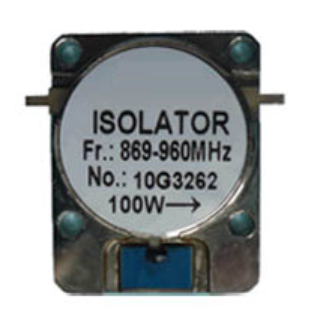
An RF Isolator is a two port device that is unidirectional, means it passes the RF signal in one direction...
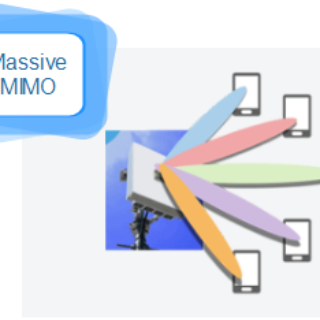
In a wireless network, two wireless nodes communicate by transmitting and receiving data on a radio channel. This channel uses...
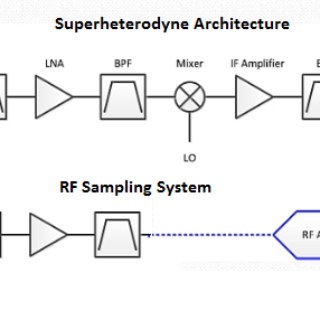
“RF sampling” is the technology of digitizing an RF signal with an ADC directly, without an analog frequency conversion to...
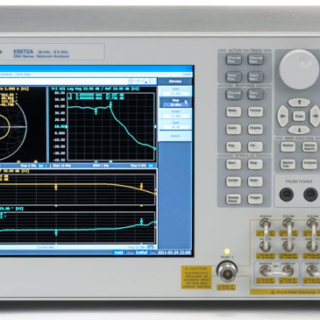
Vector network analyzer (VNA) is one of the most essential RF and microwave measurement instrument. VNA is commonly used to measure...

RSRQ is th Reference Signal Received Quality and it can be defined using following. RSRQ= (N* RSRP)/RSSI As per the...

Insertion Loss, Return Loss and Attenuation In order to understand losses, study the figure above. Microwave power is sent down...
LTE Bands and Available Bandwidth Band Uplink-fmin Uplink-fmax Downlink-fmin Downlink-fmax Available Bandwidth Duplex Mode Remark 1 1920 MHz 1980 MHz...
I keep seeing people using the terms “dB” and “dBm”, interchangeably, when they actually mean very different things. So, here’s...
Radio frequency (RF) is any of the electromagnetic wave frequencies that lie in the range extending from around 3 kHz to 300 GHz. Following is the...